Paint Correction for Trucks, Jeeps and SUVs
By Admin
Oct 30, 2026
A clean rig can still look worn out under Texas sun. Swirl marks from tunnel washes, brush scratches from tight trails, chalky oxidation on the hood, and dull paint around the bed can make a capable truck or Jeep look neglected. Paint correction is how those defects are reduced or removed without jumping straight to a repaint.
For off-road owners, the goal is not to make a trail rig too precious to use. The goal is to bring back depth, gloss, and clean color while being honest about what the paint can handle. A proper correction can make your build look finished again - whether it is a daily-driven F-150, a weekend Wrangler, or an overland SUV that sees plenty of dirt, gear, and road miles.
What Paint Correction Actually Does
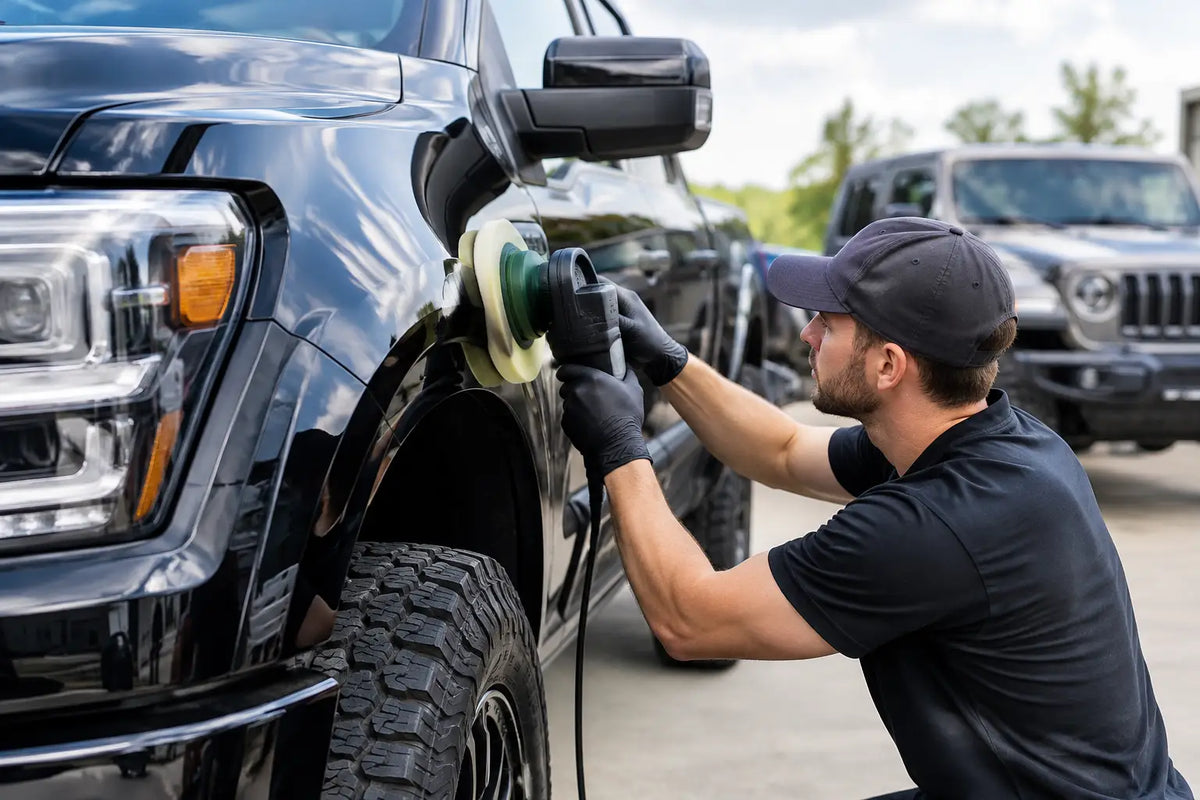
Paint correction is a machine-polishing process that levels out microscopic imperfections in the vehicle's clear coat. Modern paint usually has a colored base layer protected by a clear top layer. Light reflects unevenly when that clear coat is covered in fine scratches, oxidation, water spots, and wash-induced swirls. Polishing carefully smooths that uneven surface so light reflects more cleanly.
That is why corrected paint looks deeper instead of simply shinier. A wax may temporarily hide light defects. Correction addresses the defect itself, as long as it has not gone too deep.
This is not a one-size-fits-all service. Every vehicle has a different paint history. A newer truck with light swirls may only need a single polishing step. A black Jeep that has spent years going through automatic washes may need a more involved process to get meaningful improvement. Older paint, prior bodywork, repainted panels, and thin clear coat all change the plan.
What It Can Fix - and What It Cannot
Paint correction is excellent for defects that live in or on the clear coat. That includes light-to-moderate swirl marks, spiderweb scratches, dullness, oxidation, light water spotting, paint transfer, and many shallow trail pinstripes.
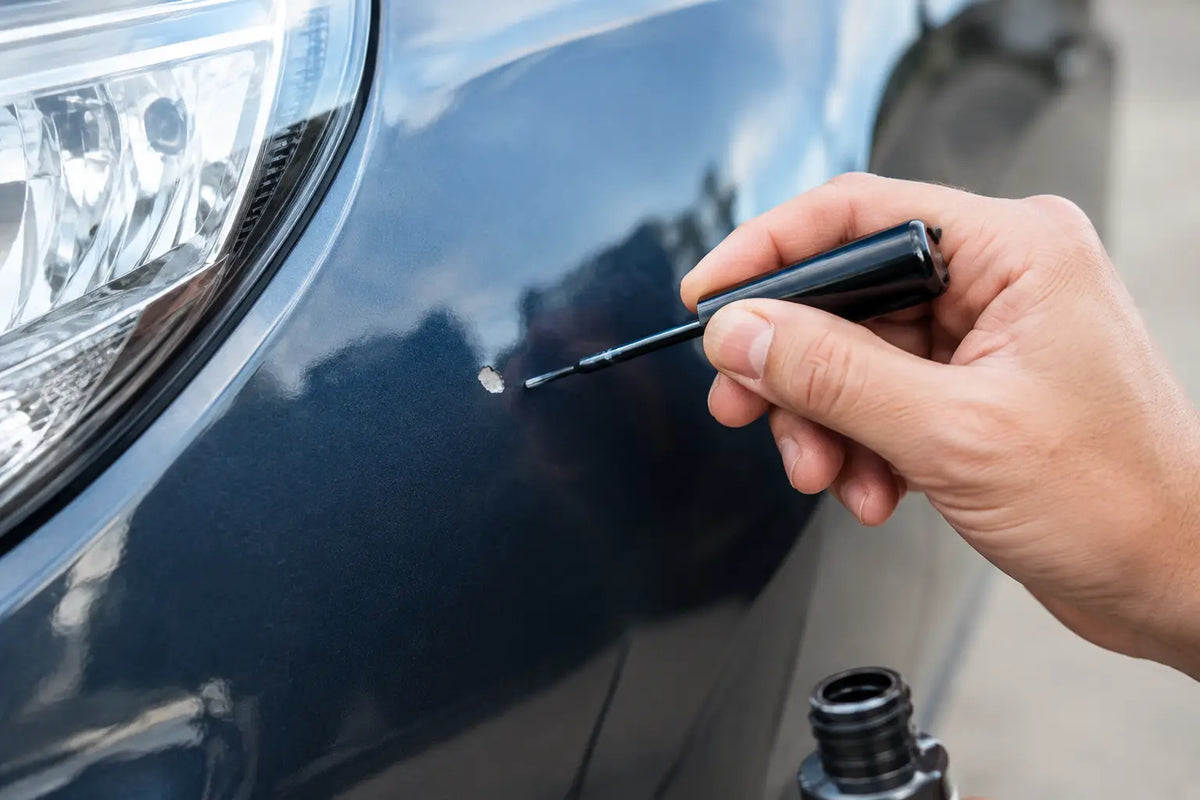
It cannot put missing paint back on a panel. Rock chips, deep scratches that catch a fingernail, peeling clear coat, rust, and gouges down to primer or bare metal need a different repair. In some cases, a deep scratch can be softened so it is less visible, but chasing it completely may remove more clear coat than is smart. No compromises means knowing when to stop.
A good technician should explain that trade-off before polishing starts. Perfect is not always the right target, especially on a vehicle that will keep seeing trails, gravel roads, job sites, and parking lots. Safe improvement is the target.
Trail Pinstripes Need an Honest Assessment
The word “pinstripe” gets used for everything from a faint brush mark to a deep scrape running the length of a door. Light brush marks often respond well to correction. Deeper branch scratches can be reduced, but they may remain visible at certain angles. If the scratch has cut through the clear coat, polishing will not erase it.
That does not mean the vehicle needs a full repaint. Spot repair, touch-up work, or simply reducing the visual impact may be the practical answer. The right call depends on where the damage is, how the rig is used, and how clean you want the final result to be.
How a Proper Paint Correction Process Works
The polishing stage gets the attention, but the prep work determines whether the result lasts. Dirt and embedded contamination can create more scratches if they are not removed before a machine ever touches the paint.
First, the vehicle is washed and dried carefully. The paint is then decontaminated to remove bonded fallout, road grime, brake dust, tar, and other contaminants that normal washing leaves behind. On trucks and SUVs, the lower doors, rocker panels, rear hatch, and area behind the wheels usually need extra attention.
Next comes inspection. Paint thickness, panel condition, previous repairs, and defect depth should all be considered. Trim, badges, edges, and sensitive areas are protected before polishing. A test spot is then performed to find the least aggressive pad and polish combination that delivers the needed improvement.
From there, correction may involve one polishing step or multiple steps. A heavier compound can remove deeper defects but may leave light haze that requires a finishing polish. A lighter one-step polish will preserve more paint and improve gloss quickly, but it will not remove every defect. The best choice depends on the condition of the vehicle, not a canned package name.
One-Step vs. Multi-Step Paint Correction
A one-step correction is often the smart move for a daily-driven truck or regularly wheeled Jeep. It can cut down visible swirls, improve clarity, and restore a lot of gloss without chasing every mark. For many owners, that delivers the best balance of appearance, time, and paint preservation.
A multi-step correction is more involved. It is built for paint with heavier defects or for owners who want a show-level finish before a major event, sale, ceramic coating, or full build reveal. The process can deliver dramatic results, especially on dark paint, but it takes more time and removes more material than a lighter approach.
If your SUV spends its weekends on gravel, brushy trails, and muddy access roads, a full perfection-level correction may not make sense. If it is a clean street build with fresh wheels, body armor, lighting, and a carefully planned exterior, the extra refinement may be worth it. Use the vehicle the way you built it, then choose the level of correction that fits.
Why Protection Matters After Paint Correction
Correction improves the paint. It does not make paint invincible. Once the surface is polished, it needs protection from UV exposure, grime, water spotting, bug splatter, and the next round of wash damage.
A quality sealant, ceramic coating, or wax can add protection and make routine cleaning easier. Each option has a place. Wax is simple and can add warmth to the finish, but it usually needs frequent reapplication. Sealants tend to last longer. Ceramic coatings offer stronger chemical resistance and easier maintenance, but they are not armor against rocks, tree limbs, or careless washing.
For high-impact areas, paint protection film may make more sense than any coating. Consider the leading edge of the hood, front bumper, fenders, mirror caps, and lower rocker areas on a truck or Jeep that sees highway miles and trail debris. Protection works best when it is matched to how the vehicle is actually used.
Keep the Finish Clean Without Recreating the Damage
The fastest way to undo a correction is poor wash technique. Dirty brushes, old towels, and automatic car washes can put fresh swirls right back into the clear coat. The damage is especially obvious on black, dark blue, and dark gray paint, but it happens on every color.
Use clean microfiber towels, separate wash tools for wheels and paint, and plenty of lubrication when washing. Rinse heavy mud before touching the paint. Do not grind dried trail dust into the doors with a dry towel. If you are cleaning at home after a wheeling trip, start at the top and work down, saving the dirtiest lower sections for last.
Pay attention to the spots that take abuse: behind mud flaps, around the rear bumper, under roof-rack feet, along door edges, and near recovery gear that gets handled often. A build can be tough without looking beat up.
When Mobile Paint Correction Makes Sense
Mobile paint correction is a strong option when you want the work done at home or work instead of leaving your vehicle at a body shop. It is especially useful for busy owners with a truck, Jeep, or SUV that needs cosmetic attention but does not need collision repair.
The setting still matters. Polishing needs a controlled work area, access to power when required, enough room around the vehicle, and protection from rain, wind-blown dust, and brutal direct sun. Severe damage, paint failure, or panels needing color repair may require a shop-based solution instead. Straight answers beat overpromising every time.
At NTX Offroad, we understand that your vehicle is more than transportation. It is the rig that hauls gear, gets you to camp, handles the trail, and represents the work you have put into your build. Paint correction is not about making it fragile. It is about making the whole build look as capable as it performs.
Before booking any correction work, walk around your vehicle in direct sunlight and make note of what bothers you most. The hood haze, the door scratches, the swirls around the tailgate - that is where the conversation should start. Build it hard, use it hard, and take care of the finish that carries the story.